

2 Weeks in Vietnam: The Perfect North-to-South Itinerary
2 Weeks in Vietnam: The Perfect North-to-South Itinerary
Two weeks is the sweet spot for a first trip to Vietnam. It is long enough to see the north, the center and the south without rushing, and to mix famous sights with quieter experiences such as a night in the mountains or a sunrise on the Mekong. Here is the route we recommend, based on the way our travelers actually like to move through the country, followed by alternative versions for beach lovers, families and active travelers, a realistic budget and practical tips.
At a glance
Route
Hanoi – Sapa – Halong Bay – Hue – Hoi An – Saigon – Mekong
Domestic flights
2 (Hanoi–Hue, Da Nang–Saigon)
Best time
March–May and September–November
Budget
From around USD 1,400 per person, private tour
The route in brief
Hanoi (2 nights) → Sapa (2 nights) → Halong Bay (1 night) → Hue (2 nights) → Hoi An (2 nights) → Ho Chi Minh City (3 nights) → Mekong Delta (1 night) → departure. Two domestic flights, Hanoi to Hue and Da Nang to Ho Chi Minh City, save you long drives and leave more time for exploring. Vietnam is long and narrow, so internal flights of about one hour replace journeys of 12–18 hours by road or rail.

Days 1–2: Hanoi
Start in the capital. Walk around Hoan Kiem Lake and the Old Quarter, where each street was once dedicated to a single craft. Visit the Temple of Literature, Vietnam's first university, and the Ho Chi Minh Complex with its mausoleum and stilt house. In the evening, watch a water puppet show and try street food such as pho, bun cha and egg coffee. Hanoi is lively and a little chaotic, so two nights give you time to recover from the flight and settle in. If you arrive early, a cyclo ride or a guided food walk is a gentle way to get your bearings.

Days 3–4: Sapa
Travel north into the mountains, by overnight train to Lao Cai or by road on the expressway (about five to six hours). In Sapa, trek through rice terraces and hill tribe villages such as Lao Chai, Ta Van and Cat Cat with a local Hmong or Dao guide. You can choose an easy walk on paved paths or a longer trek on muddy trails, depending on your fitness. Stay in a mountain lodge or a family homestay for a real sense of village life. Prefer something wilder? Swap Sapa for the Ha Giang Loop – see our guide Sapa vs Ha Giang to decide.

Days 5–6: Halong Bay
Back in Hanoi, drive to Halong Bay (about two and a half hours on the expressway) and spend a night on a cruise among almost 2,000 limestone islands. Kayaking, a cave visit, a cooking demonstration and sunrise tai chi on deck are the highlights. If you prefer fewer boats, choose nearby Lan Ha Bay instead, which is quieter and has more sheltered lagoons. Return to Hanoi around midday and take an evening flight to Hue, or spend the night in Hanoi and fly the next morning. Read Halong Bay vs Lan Ha Bay for help choosing your cruise.

Days 7–8: Hue
Hue was the capital of the Nguyen dynasty, Vietnam's last royal family, from 1802 to 1945. Explore the Imperial City and the Forbidden Purple City, take a dragon boat along the Perfume River to Thien Mu Pagoda and visit the royal tombs of Tu Duc, Minh Mang and Khai Dinh, each with its own architectural style. Hue is also famous for its imperial cuisine: try bun bo Hue, banh khoai and the small steamed rice cakes known as banh beo. History enthusiasts can add a day trip to the former Demilitarised Zone (DMZ) and the Vinh Moc tunnels.

Days 9–10: Hoi An
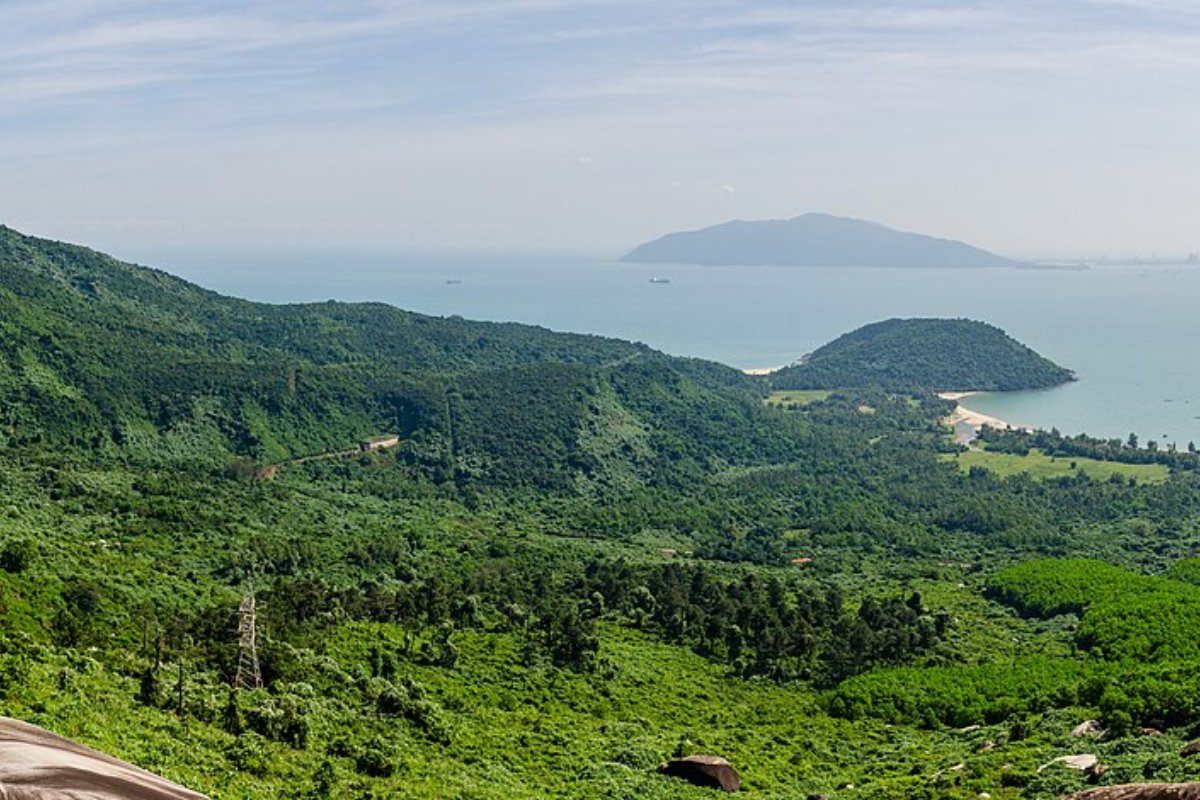
Drive over the Hai Van Pass, one of Vietnam's most scenic coastal roads, stopping at Lang Co beach. Hoi An's Ancient Town is a UNESCO World Heritage Site, with Japanese, Chinese and French influences in its merchant houses, assembly halls and the famous Japanese Covered Bridge. Walk the lantern-lit streets in the evening, take a cooking class, cycle through the rice fields to Tra Que herb village or ride a basket boat in the coconut palms of Cam Thanh. Leave time for An Bang beach or a tailor fitting – many travelers have clothes made in 24–48 hours. Our Hoi An and Da Nang food guide lists the dishes you should not miss.

Days 11–13: Ho Chi Minh City and the Mekong Delta
Fly from Da Nang to Ho Chi Minh City (Saigon). Visit the Cu Chi Tunnels, used by the Viet Cong during the war, and the city's colonial landmarks: Notre-Dame Cathedral, the Central Post Office and the Opera House. The War Remnants Museum is moving and essential for understanding the country's recent history. In the evening, enjoy the rooftop bars and the street-food scene of District 1 and District 4.

Then head into the Mekong Delta. Travel by boat through narrow canals, visit coconut candy workshops and orchards, and spend a night in Can Tho or in a riverside homestay. Rise early to see the Cai Rang floating market at sunrise, when wholesalers sell fruit and vegetables from their boats. Our Mekong Delta travel guide explains the best places to stay.
Day 14: Departure
Return to Ho Chi Minh City for your flight home, or extend with a few beach days on Phu Quoc or Con Dao, both a short flight from Saigon.

Alternative 2-week routes
Culture and beach
Drop Sapa and add three nights on the beach at the end: Hanoi (3) → Halong Bay (1) → Hue (2) → Hoi An (3) → Saigon (2) → Phu Quoc (3). This version is popular from November to April, when Phu Quoc is dry. Our beach guide compares the best coastal destinations.
Family-friendly
Families usually prefer fewer hotel changes and shorter transfers. Base yourself in Hanoi, Hoi An and Phu Quoc, with a Lan Ha Bay cruise and a day in Ninh Binh. See our Vietnam with kids guide and the 14-day family tour.
Adventure
Swap the classic stops for Ha Giang, Pu Luong and Phong Nha: Hanoi (1) → Ha Giang Loop (3) → Pu Luong (2) → Phong Nha (2) → Hue (1) → Hoi An (3) → Saigon (2). The Mai Chau to Phong Nha adventure covers much of this route.
Vietnam and Angkor Wat
Two weeks is tight for two countries, but you can replace the Mekong Delta and a day in Saigon with two nights in Siem Reap. For a more relaxed pace, choose the Vietnam and Cambodia tour in 16 days.
How much does 2 weeks in Vietnam cost?
Costs depend mainly on your hotel level and on whether you travel with a private guide. As a rough guide, a private tour with 3-star hotels, a guide and driver at each stop, two domestic flights and a Halong Bay cruise typically costs from around USD 1,400 per person, based on two people sharing. Four-star hotels add roughly 20–30%, and five-star hotels and a luxury cruise can double the price. Meals are inexpensive: a street-food lunch costs USD 2–5 and a good restaurant dinner USD 10–25 per person. International flights, visas and tips are usually extra.
Getting around
- Domestic flights: Vietnam Airlines, Bamboo Airways and Vietjet connect Hanoi, Hue, Da Nang, Saigon and Phu Quoc several times a day. Book early around Tet and in summer.
- Trains: the Reunification Express is slow but scenic, especially the section between Hue and Da Nang.
- Private car and driver: the most comfortable way to cover shorter distances such as Hue to Hoi An or Hanoi to Halong Bay.
- Ride-hailing: Grab is widely available in cities for short trips.
Tips for planning
- Direction: north to south or south to north both work. Start in the region with the better weather for your travel month – see our best time to visit Vietnam guide.
- Pace: two nights per stop is a comfortable minimum. Dropping Sapa frees two days for more time in Hoi An or on the beach.
- Visas: most nationalities can apply for an e-visa online. Check our visa guide before you book flights.
- Private guides: a private guide and driver let you adjust each day to your energy levels and interests.
- Book ahead: Halong Bay cruises, Sapa trains and Hoi An hotels sell out in high season.
- Money: carry some cash in Vietnamese dong for markets and street food; cards are accepted in most hotels and restaurants.
Tours based on this route
 Vietnam Itinerary 14 Days: Sapa to the Mekong Deltaalmost exactly the route above.14 days · Private tour · View itinerary →
 Luxury Vietnam Tour South to North: 14 Daysthe same length in 5-star hotels, with Nha Trang and Lan Ha Bay.14 days · Private tour · View itinerary →
 Vietnam Family Tour with Kids: 14 Daystwo weeks designed for families.14 days · Private tour · View itinerary →
 Classic Vietnam Tour: 11 Days via Mui Ne and Dalata southern variation with beach and highlands.11 days · Private tour · View itinerary →
 Best of Vietnam in 10 Daysa shorter alternative if you have less time.10 days · Private tour · View itinerary →
Halong Bay and Lan Ha Bay cruises
If you have a few extra days, a longer stay on the bay is one of the most relaxing ways to break up a two-week trip.
 Halong Bay Overnight Cruise: 2 Days on a Boutique BoatPrivate cabin, sunset and sunrise on the bay2 days · Cruise · View itinerary →
 Lan Ha Bay & Halong Bay 5-Star Cruise: 3 Days, 2 NightsTwo slow nights on the water, with Viet Hai Village3 days · Cruise · View itinerary →
Compare all our Halong Bay and Lan Ha Bay cruises →
Frequently asked questions
Is 2 weeks enough for Vietnam?
Yes. Two weeks is enough to see the main highlights of the north, center and south at a relaxed pace, using two domestic flights.
Should I travel north to south or south to north?
Either works. Choose the direction that puts you in each region during its best weather for your travel dates.
Can I add Cambodia to a 2-week trip?
It is possible but rushed. For Vietnam and Angkor Wat together, we recommend at least 16 days.
Is it better to take the train or fly?
Fly for long distances such as Hanoi to Hue or Da Nang to Saigon. The train is a nice experience for short scenic sections, for example Hue to Da Nang.
How much does 2 weeks in Vietnam cost?
A private two-week tour with comfortable hotels, guides, flights and a cruise usually costs from about US$1,400 per person; budget travelers spend less, luxury travelers more.
Plan your private trip with Entdecke Vietnam
Tell us your dates, interests and travel style, and our local team will suggest a private itinerary for you.
Request a quoteRelated guides
Cover photo: Steffen Schmitz (more photos), CC BY-SA 4.0, via Wikimedia Commons.