

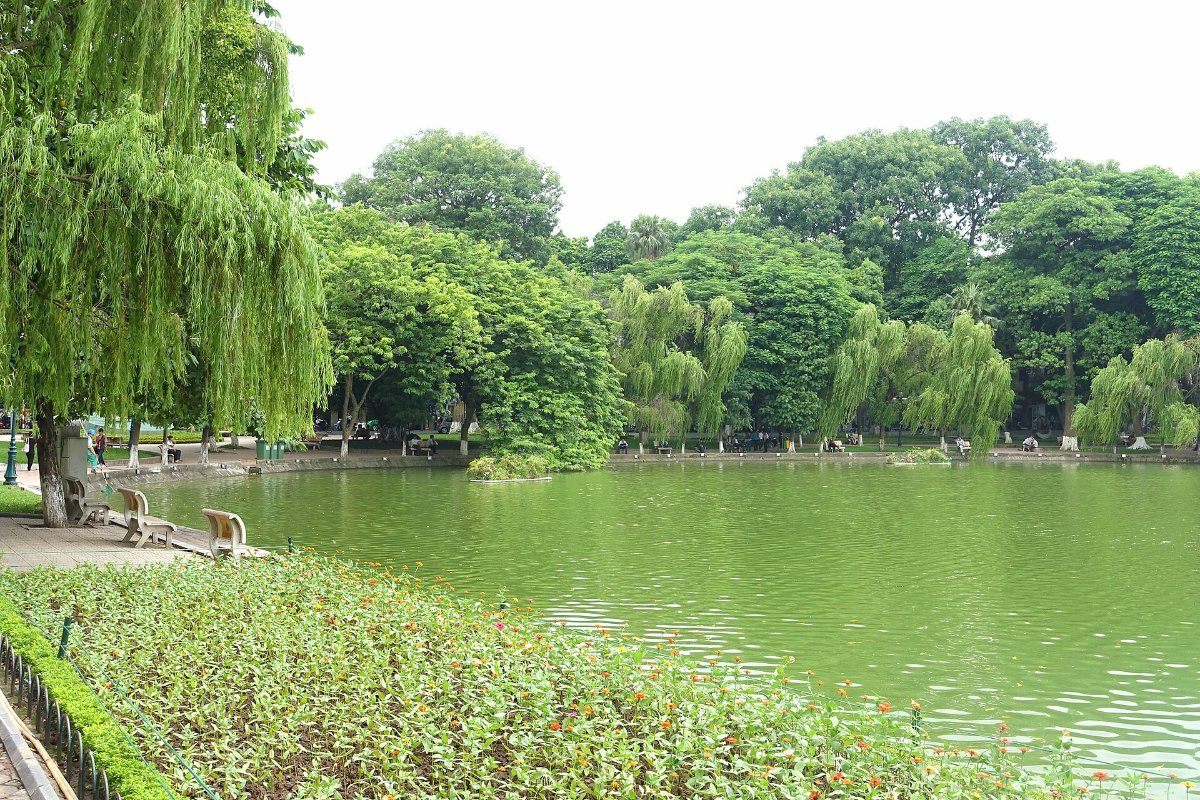
Hanoi Travel Guide: What to See, Eat and Do in the Vietnamese Capital
Hanoi Travel Guide: What to See, Eat and Do in the Vietnamese Capital
Hanoi has been Vietnam's capital, on and off, for almost a thousand years, and it is where most journeys through the north begin. It is a city of contrasts: tree-lined French boulevards and narrow Old Quarter lanes, quiet lakes and roaring motorbike traffic, centuries-old temples and stylish cafés. This guide covers the best things to see and do, what to eat, where to stay, how long to spend and the easiest day trips.
At a glance
Best time
March–April and September–November
How long
2–3 days, plus day trips
Getting there
Noi Bai Airport, 45–60 minutes from the Old Quarter
Ideal for
History, street food and culture
How many days do you need in Hanoi?
Two full days are enough to see the main sights at a comfortable pace. Add a third day if you want a cooking class, a museum or two more, or simply time to sit in cafés and watch the city go by. Most travelers also use Hanoi as a base for Halong Bay, Ninh Binh and Sapa, so you may pass through more than once.
Top things to do in Hanoi
Hoan Kiem Lake and the Old Quarter
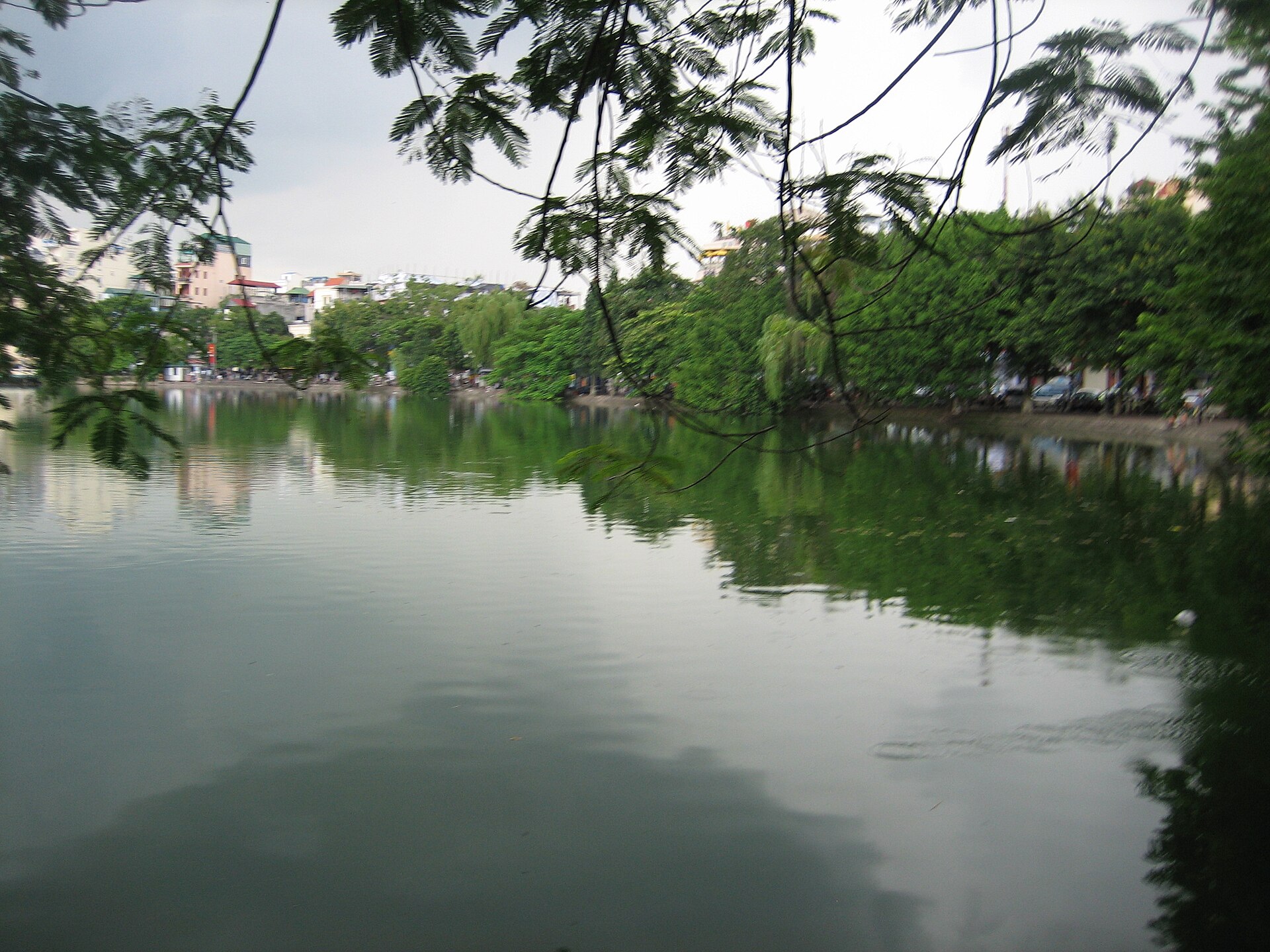
The lake is the heart of the city. Walk across the red Huc Bridge to Ngoc Son Temple, then lose yourself in the 36 streets of the Old Quarter, where each street was once dedicated to a single trade: silver, silk, paper, herbs or bamboo. On weekend evenings the streets around the lake become pedestrian zones filled with families, street performers and food stalls.

Temple of Literature
Founded in 1070 and dedicated to Confucius, the Temple of Literature became Vietnam's first national university. Its courtyards, ponds and stone stelae, carried on the backs of tortoises and engraved with the names of successful scholars, are among the city's most peaceful places.
Ho Chi Minh Mausoleum and Presidential Palace
The granite mausoleum on Ba Dinh Square holds the embalmed body of Vietnam's revolutionary leader. Nearby are the yellow Presidential Palace, Ho Chi Minh's simple stilt house and the One Pillar Pagoda. The mausoleum is usually open in the morning and closed on some days and during annual maintenance, so check before you go. Dress modestly.
Museums
The Vietnam Museum of Ethnology gives an excellent introduction to the country's 54 ethnic groups, with full-size traditional houses in the garden. Hoa Lo Prison, nicknamed the "Hanoi Hilton", tells the story of both French colonial prisoners and American pilots. The Vietnamese Women's Museum is small but moving.
Water puppets and train street
Water puppetry is a centuries-old art from the Red River Delta, with wooden puppets performing on a pool of water to live traditional music. Shows last about 50 minutes and are fun for all ages. Access to Hanoi's famous "train street" changes often for safety reasons; your guide will know the current situation.
West Lake and Long Bien Bridge
West Lake (Ho Tay) is Hanoi's largest lake, lined with cafés, the ancient Tran Quoc Pagoda and quiet residential lanes, beautiful at sunset. The old Long Bien Bridge, built by the French, offers a view of the Red River and a glimpse of daily life on the riverbanks.

What to eat in Hanoi
- Pho: Hanoi is the home of pho, a clear beef or chicken noodle soup eaten for breakfast.
- Bun cha: grilled pork patties and belly served with rice noodles, herbs and a sweet-sour dipping broth.
- Cha ca La Vong: turmeric-marinated fish fried at the table with dill and spring onions.
- Banh cuon: delicate steamed rice rolls filled with pork and wood-ear mushrooms.
- Egg coffee: strong Vietnamese coffee topped with a whipped egg-yolk cream, invented in Hanoi in the 1940s.
A guided street-food walk in the evening is one of the best ways to taste many dishes safely and learn about the culture behind them.

Where to stay in Hanoi
The Old Quarter is ideal for first-time visitors who want to walk everywhere and enjoy the street life. The French Quarter south of Hoan Kiem Lake is quieter, with grand hotels and wide boulevards. West Lake suits longer stays and travelers who prefer a calmer, residential feel.

Day trips and onward journeys
- Halong Bay and Lan Ha Bay: about 2.5 hours by expressway, best with an overnight cruise. See Halong Bay vs Lan Ha Bay.
- Ninh Binh: about 2 hours south, with boat trips through karst landscapes at Trang An and Tam Coc.
- Sapa and Ha Giang: mountain trekking and road trips in the far north. See Sapa vs Ha Giang.
- Mai Chau and Pu Luong: rice valleys, stilt houses and easy trekking.
- Bat Trang: a ceramics village less than an hour from the center.

Best time to visit Hanoi
Spring (March–April) and autumn (September–November) are the most pleasant seasons, with mild temperatures and lower humidity. Summer is hot and humid with short heavy showers, while winter (December–February) is cool and often gray, with temperatures around 15°C. See our best time to visit Vietnam guide for more.

Practical tips
- Crossing the road: walk slowly and steadily; motorbikes will flow around you. Do not run or stop suddenly.
- Getting around: the center is walkable; use Grab or a private driver for longer distances.
- Airport: Noi Bai International Airport is about 45–60 minutes from the Old Quarter.
- Money: carry small notes for street food and markets.
- Etiquette: cover shoulders and knees at temples and the mausoleum.

Tours that start in Hanoi
 Hanoi and Halong Bay Tour: 5 Days with an Overnight Cruise5 days · Private tour · View itinerary →
 Hanoi, Sapa and Halong Bay Tour: 7 Days in North Vietnam7 days · Private tour · View itinerary →
 Vietnam in 8 Days: Hanoi, Halong Bay, Hoi An and Saigon8 days · Private tour · View itinerary →
 North Vietnam Family Tour: 6 Days with Ninh Binh and Lan Ha Bay6 days · Private tour · View itinerary →
 Ha Giang Loop Tour: 4 Days by Car from Hanoi4 days · Private tour · View itinerary →
 Hanoi Golf Break: 4 Days with 2 Rounds4 days · Private tour · View itinerary →
Halong Bay and Lan Ha Bay cruises
Halong Bay and Lan Ha Bay are the most popular trips from Hanoi. Join a cruise for a day, or spend a night on the water and return to Hanoi the next afternoon.
 Halong Bay Luxury Day Cruise with Seafood Buffet Lunch5-star day cruise with a sunset canapé party1 day · Cruise · View itinerary →
 Halong Bay Overnight Cruise: 2 Days on a Boutique BoatPrivate cabin, sunset and sunrise on the bay2 days · Cruise · View itinerary →
 Lan Ha Bay & Halong Bay 5-Star Cruise: 2 Days, 1 NightQuieter lagoons, kayaking and a 5-star cabin2 days · Cruise · View itinerary →
Compare all our Halong Bay and Lan Ha Bay cruises →
Frequently asked questions
How many days do you need in Hanoi?
Two days for the main sights, plus extra days for Halong Bay, Ninh Binh or Sapa.
Is Hanoi safe for tourists?
Yes. Hanoi is generally very safe. The main risks are traffic and petty theft, so keep valuables secure and take care when crossing roads.
Is Hanoi or Ho Chi Minh City better?
They are very different. Hanoi has more history and traditional charm; Ho Chi Minh City is more modern and fast-paced. Most first-time visitors see both.
What is the best time to visit Hanoi?
October to December and March to April, when it is mild and dry. Summer is hot and humid; January and February can be cool and grey.
How far is Halong Bay from Hanoi?
About 2.5 to 3 hours by expressway to the cruise ports.
Plan your private trip with Entdecke Vietnam
Tell us your dates, interests and travel style, and our local team will suggest a private itinerary for you.
Request a quote