

Hue and the DMZ Travel Guide: Imperial City, Royal Tombs and War History
Hue and the DMZ Travel Guide: Imperial City, Royal Tombs and War History
Hue was the capital of Vietnam's last royal dynasty, the Nguyen, from 1802 to 1945. Its walled Citadel, royal tombs and pagodas along the Perfume River make it the country's most important destination for history and architecture. Just to the north lies the former Demilitarised Zone (DMZ), where the country was divided between 1954 and 1975. Together they offer a deep insight into Vietnam's past, from imperial splendor to the Vietnam War.
At a glance
Best time
February–August
How long
2 days, plus 1 day for the DMZ
Getting there
Phu Bai Airport, or 3 hours by road from Hoi An
Ideal for
History, architecture and imperial cuisine
How many days do you need in Hue?
Two full days in Hue let you see the Citadel, the main tombs and Thien Mu Pagoda at a relaxed pace. Add a day for the DMZ, and another if you continue north to the caves of Phong Nha.

Things to see in Hue
The Imperial City
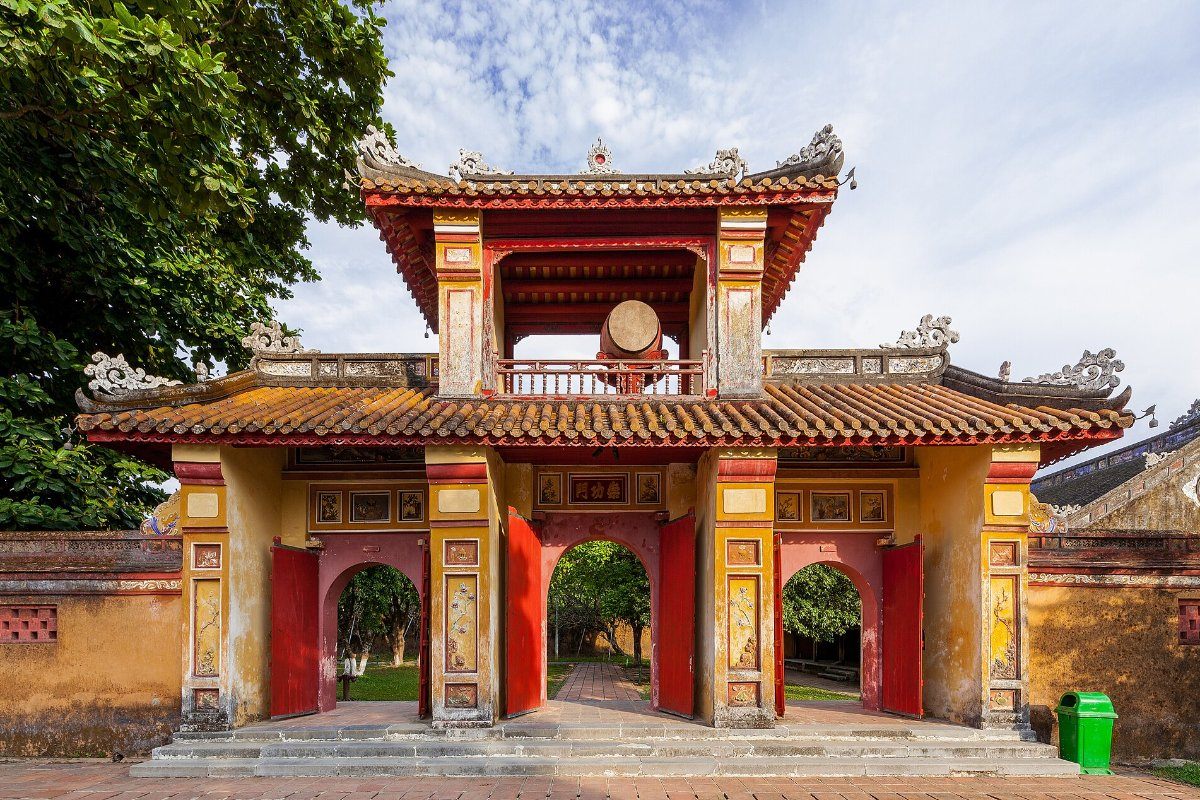
The Citadel is a vast walled fortress on the north bank of the Perfume River, modeled partly on Beijing's Forbidden City. Inside are the Noon Gate, the Thai Hoa Palace where emperors held court, temples dedicated to the royal ancestors and the remains of the Forbidden Purple City, once reserved for the emperor and his family. Much was damaged in 1968, but restoration has brought many halls and gardens back to life. Allow at least half a day.

The royal tombs
Each Nguyen emperor designed his own tomb, and each reflects a different personality:

- Tu Duc: a romantic complex of lakes, pavilions and frangipani trees, where the poet-emperor wrote and relaxed.
- Minh Mang: perfectly symmetrical and serene, set among lakes and pine forest.
- Khai Dinh: a striking blend of Vietnamese and European styles, with a dazzling interior of glass and porcelain mosaics.
Thien Mu Pagoda and the Perfume River
The seven-storey Thien Mu Pagoda is Hue's symbol. Reach it by dragon boat along the Perfume River, passing villages and gardens, and stop at Hon Chen Temple or an incense-making village on the way.
Garden houses and countryside
Hue's traditional garden houses, such as those in the Kim Long area, show how mandarin families lived. Cycle to Thanh Toan tiled bridge or visit the lagoons of Tam Giang for a quieter side of the region.
Hue's imperial cuisine
The royal court left Hue with the most refined cuisine in Vietnam. Try bun bo Hue, a spicy lemongrass beef noodle soup; banh beo, small steamed rice cakes topped with dried shrimp; banh khoai, crispy pancakes; and com hen, rice with tiny river clams. An imperial-style dinner, with dishes presented in elaborate shapes, is a memorable experience. Compare it with the rustic cooking of Quang Nam in our Hoi An and Da Nang food guide.

Visiting the DMZ
The DMZ stretched along the Ben Hai River at the 17th parallel. A full-day private tour from Hue, with a guide who explains the history, usually includes:

- Vinh Moc Tunnels: a network of tunnels where villagers lived for years to escape bombing, with family rooms, a meeting hall and even a maternity room.
- Hien Luong Bridge: the bridge over the Ben Hai River that marked the border between North and South.
- Khe Sanh Combat Base: site of one of the longest battles of the war.
- Truong Son National Cemetery and the Ho Chi Minh Trail: memorials to the soldiers who traveled the famous supply route.
- Quang Tri Citadel: scene of heavy fighting in 1972.
The day is long (around 8–10 hours) but rewarding. It can also be combined with the journey north to Phong Nha.

Best time to visit Hue
February to August is the driest period; May to August is hot, often above 35°C. September to December brings heavy rain and the risk of floods, especially in October and November. Spring is perfect for photographers, with flowering trees in the Citadel. See our best time to visit Vietnam guide.
How to get to Hue
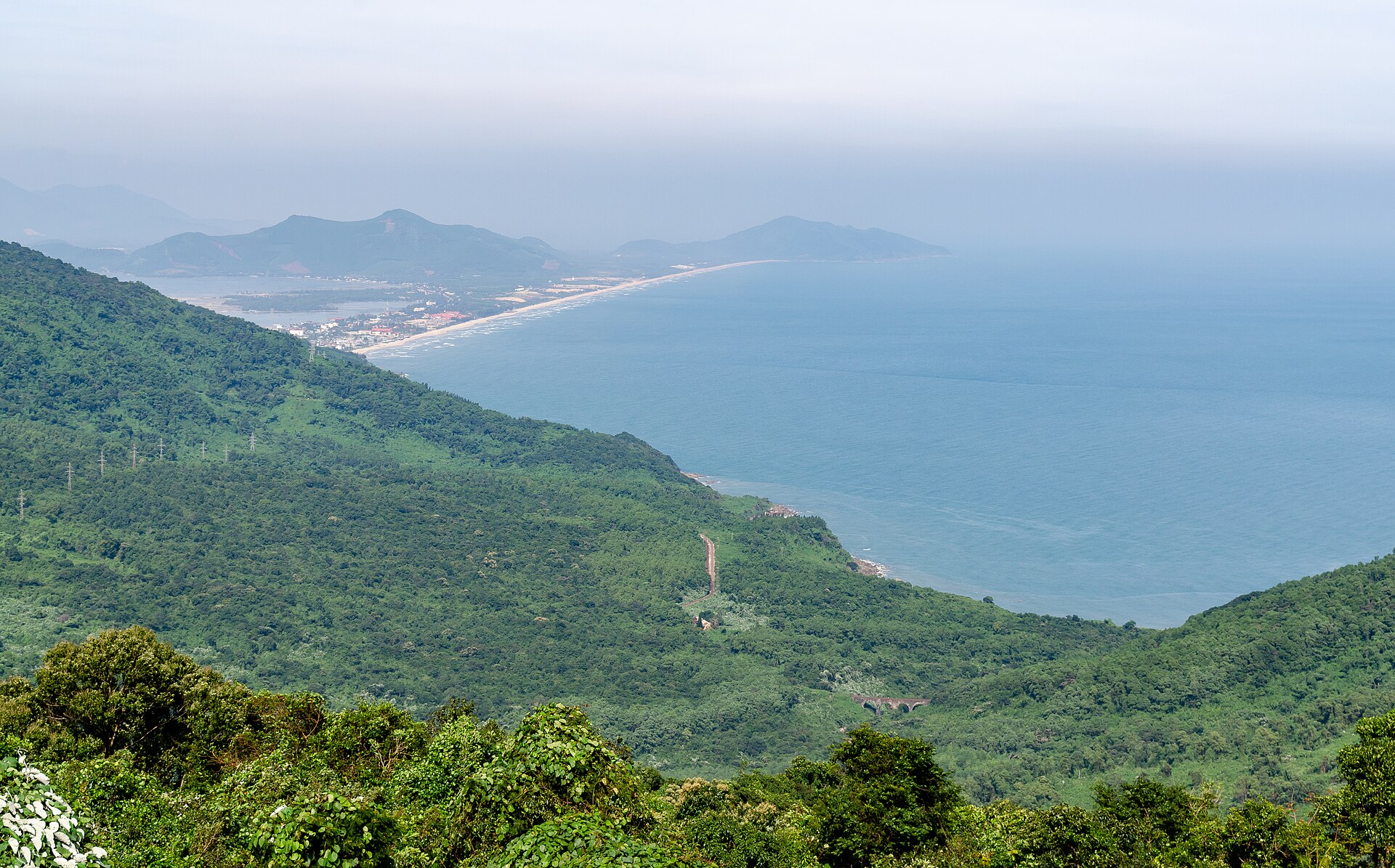
Hue has its own airport, Phu Bai, with flights from Hanoi and Ho Chi Minh City. Hoi An and Da Nang are about three hours away by road via the scenic Hai Van Pass, and the Reunification Express train passes through Hue on its way between Hanoi and Saigon.

Tours that include Hue and the DMZ
 Hoi An, Hue and DMZ Tour: 9 Days to Phong Nha9 days · Private tour · View itinerary →
 Vietnam Highlights Tour: 8 Days from Hanoi to Saigon8 days · Private tour · View itinerary →
 Vietnam Itinerary 14 Days: Sapa to the Mekong Delta14 days · Private tour · View itinerary →
 Mai Chau to Phong Nha Adventure: 9 Days9 days · Private tour · View itinerary →
Frequently asked questions
Is Hue worth visiting?
Yes, especially if you are interested in history, architecture and food. It is quieter than Hoi An and offers a different side of Vietnam.
Can I visit the DMZ as a day trip?
Yes. A private day trip from Hue covers the main sites in about 8–10 hours.
How do I get from Hue to Hoi An?
By car via the Hai Van Pass (about three hours with stops) or by train to Da Nang followed by a short drive.
How many days do you need in Hue?
Two days: one for the Imperial City and the royal tombs, one for the DMZ or a Perfume River boat trip.
What is the best time to visit Hue?
February to April. Summer is hot and October to December is the rainy season.
Plan your private trip with Entdecke Vietnam
Tell us your dates, interests and travel style, and our local team will suggest a private itinerary for you.
Request a quoteRelated guides
Cover photo: This Photo was taken by Supanut Arunopra, CC BY 4.0, via Wikimedia Commons.