

Ha Giang Loop Travel Guide: Route, Highlights and Tips
Ha Giang Loop Travel Guide: Route, Highlights and Tips
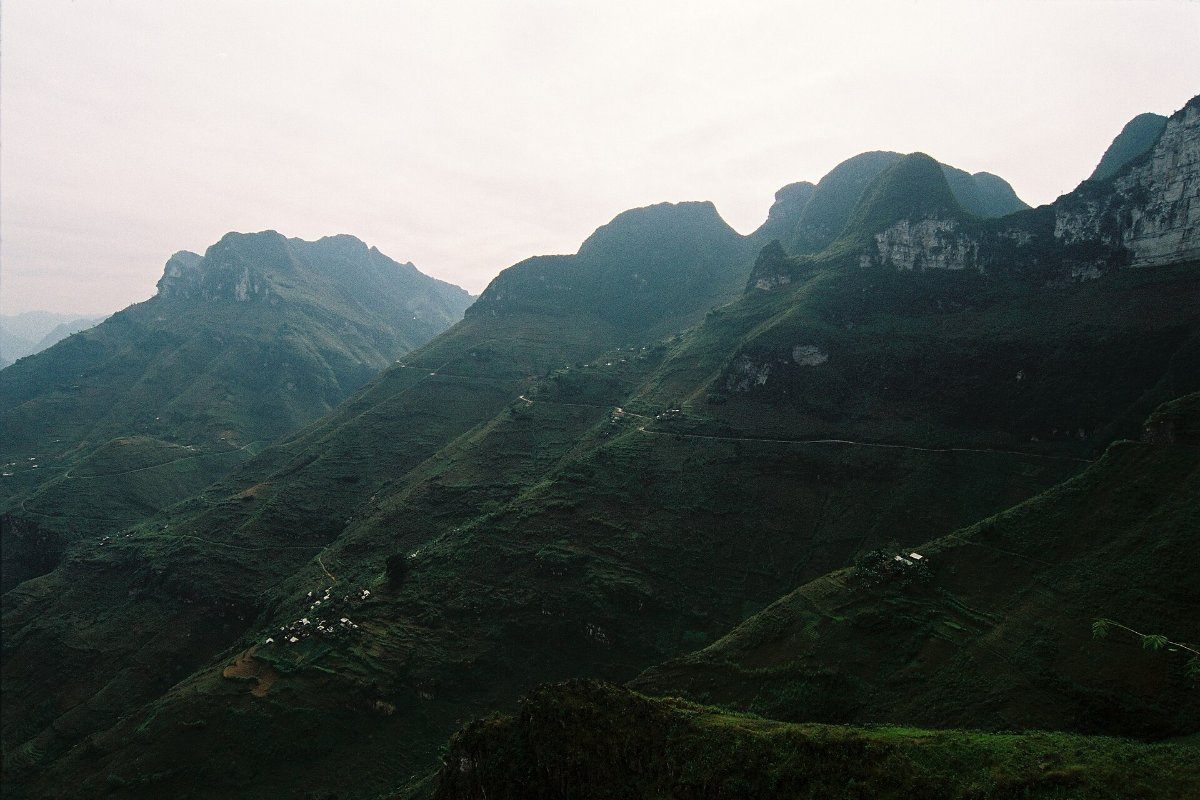
The Ha Giang Loop, in Vietnam's far north on the border with China, is one of the most spectacular road journeys in Southeast Asia. The route winds through limestone mountains, deep river canyons and terraced valleys, passing villages of Hmong, Tay, Dao and Lo Lo people whose markets and traditions are still very much alive. This guide explains the route, how to travel it safely and comfortably, and when to go.
At a glance
Best time
September–November and March–May
How long
3–4 days on the loop
Getting there
6–7 hours by road from Hanoi
Ideal for
Mountain scenery, road trips and ethnic markets
The route at a glance
The classic loop covers roughly 350 km from Ha Giang City and back, usually over three or four days:

- Ha Giang City → Quan Ba → Yen Minh: climb to the Heaven's Gate pass for views over the "Fairy Bosom" twin mountains, then continue through pine forests to Yen Minh.
- Yen Minh → Dong Van: visit the Hmong King's Palace, a fortified mansion built in the early 20th century, and the Lung Cu flag tower at Vietnam's northernmost point.
- Dong Van → Ma Pi Leng Pass → Meo Vac: the highlight of the trip. The road clings to the cliff above the emerald Nho Que River, with an optional boat trip through the Tu San canyon.
- Meo Vac → Du Gia or back to Ha Giang: return through quiet valleys, rice terraces and waterfalls.
The area is part of the Dong Van Karst Plateau, a UNESCO Global Geopark.
How to get to Ha Giang from Hanoi
Ha Giang City is about six to seven hours by road from Hanoi. Most travelers leave Hanoi early in the morning or take a comfortable sleeper bus or private car the day before starting the loop.

By car or by motorbike?
Many young backpackers ride the loop on motorbikes, either self-driving or as passengers with an experienced "easy rider". The roads are steep, narrow and shared with trucks, so self-driving is only for experienced riders with the correct license and insurance. For most travelers aged 30 and over, families and anyone who wants to enjoy the views in comfort, a private car with a local driver and guide is the best option. You can stop wherever you want for photos and village walks, and the guide translates and explains local culture. Our Ha Giang Loop tour by car is designed exactly for this.

Highlights you should not miss
- Ma Pi Leng Pass – one of Vietnam's most dramatic viewpoints.
- Nho Que River boat trip – cruising through a narrow canyon of vertical cliffs.
- Lung Cu flag tower – at the northern tip of the country.
- Dong Van old town – old stone houses and a lively Sunday market.
- Weekly markets – Meo Vac, Dong Van and Yen Minh hold colorful markets where ethnic minority families come to trade buffaloes, vegetables and textiles. Ask your guide to plan the route around a market day.
- Lung Tam village – a Hmong cooperative weaving hemp cloth and dyeing it with indigo.

Best time to visit Ha Giang
September to November is the most popular time: dry, clear weather, golden rice terraces in September and pink buckwheat flowers in October and November. March to May brings blossoms and pleasant temperatures. Summer is green but rainy, with occasional landslides, and winter can be very cold, sometimes below 5°C at night. See best time to visit Vietnam for more.

Where to stay in Ha Giang
Accommodation is simpler than in cities. Choose between family-run homestays in traditional houses, small boutique lodges in Dong Van, Meo Vac and Du Gia, or comfortable hotels in Ha Giang City. Bring layers and a light down jacket outside the summer months.

Ha Giang or Sapa?
Sapa is easier to reach, has more trekking routes and more comfortable hotels; Ha Giang is wilder and better for road trips and scenery. Read our full comparison Sapa vs Ha Giang.

Practical tips
- Permits: foreign visitors need a permit for the border areas; your tour operator arranges it.
- Motion sickness: the roads are very winding; bring medication if needed.
- Cash: ATMs are limited outside Ha Giang City.
- Respect: ask before photographing people, and buy textiles directly from the makers.

Tours in northern Vietnam
Ha Giang Loop Tour: 4 Days by Car from Hanoi4 days · Private tour · View itinerary → Northwest Vietnam Loop: 7 Days via Moc Chau, Dien Bien Phu and Sapa7 days · Private tour · View itinerary →
 Hanoi, Sapa and Halong Bay Tour: 7 Days7 days · Private tour · View itinerary →
 Pu Luong Trekking Tour: 2 Days from Hanoi2 days · Private tour · View itinerary →
Frequently asked questions
How many days do you need for the Ha Giang Loop?
Three to four days on the loop itself, plus travel time from Hanoi. Four days by car is a comfortable pace.
Is the Ha Giang Loop safe?
Yes, with an experienced driver and guide. The main risks come from inexperienced motorbike riders on steep mountain roads.
Can older travelers do the Ha Giang Loop?
Yes. Traveling by private car makes the loop accessible to anyone in reasonable health; walking is optional.
What is the best time to do the Ha Giang Loop?
September to November for golden rice and buckwheat flowers, and March to May for mild weather.
How far is Ha Giang from Hanoi?
About six to seven hours by car or bus on the expressway and mountain roads.
Plan your private trip with Entdecke Vietnam
Tell us your dates, interests and travel style, and our local team will suggest a private itinerary for you.
Request a quoteRelated guides
Cover photo: Khánh Hmoong, CC BY 2.0, via Wikimedia Commons.